Orthopedic Care for Joint, Bone, and Spine Problems
If you are dealing with joint pain, back pain, fractures, or sports injuries, our orthopedic care focuses on accurate diagnosis and structured treatment. Every plan is based on medical need.
Clear explanation before treatment. No unnecessary procedures.
Specialized Care at The Orthoderma Clinic
Conditions We Treat
We treat common and long-term bone, joint, and movement problems such as:
Joint Pain and Stiffness
Pain, swelling, or reduced movement in knees, shoulders, hips, or other joints.
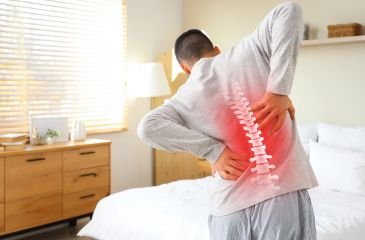
Back and Neck Pain
Acute or long-term spine pain affecting posture, mobility, and daily activities.
Sports Injuries
Ligament tears, sprains, muscle injuries, and overuse conditions from physical activity.
Fracture Management
Evaluation and treatment of bone fractures and trauma-related injuries.
Our Orthopedic Treatment Services
We provide structured treatment plans based on accurate diagnosis and medical need.
Knee Replacement
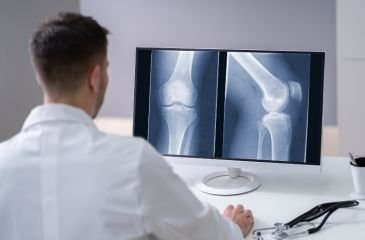
Knee replacement surgery is advised when knee arthritis or joint damage causes persistent pain and stiffness that does not improve with medication or therapy. The damaged joint surfaces are replaced with artificial implants to restore alignment, reduce pain, and improve walking ability.
Knee arthroscopy is a keyhole procedure used to treat ligament tears, meniscus injuries, cartilage damage, and sports-related knee problems. Small incisions are used to insert a camera and instruments, allowing precise treatment with faster recovery.
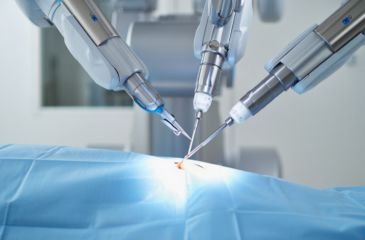
Robotic knee surgery uses advanced technology to improve accuracy during knee replacement. It helps in precise implant placement, better alignment, and controlled bone preparation. This approach may improve recovery and long-term joint function.
Hip replacement is recommended for patients with advanced arthritis or hip joint damage that limits daily activities. The damaged hip joint is replaced with an artificial implant to relieve pain and restore movement.
Hip fractures in older adults require timely surgical management to prevent complications. Treatment focuses on stabilizing the fracture, restoring mobility early, and reducing long-term disability.
Total shoulder replacement is performed when shoulder arthritis causes persistent pain and limited movement. The damaged joint surfaces are replaced to improve mobility and reduce discomfort.
Rotator cuff injuries cause shoulder pain, weakness, and difficulty lifting the arm. Repair surgery reattaches the torn tendon to restore shoulder strength and function.
Shoulder dislocation occurs when the upper arm bone slips out of its socket. Repeated dislocations may require surgical stabilization to prevent further injury and restore confidence in movement.
Frozen shoulder causes pain and gradual stiffness of the joint. Treatment may include medication, physiotherapy, injections, or minimally invasive procedures depending on severity.
Back pain can result from muscle strain, disc problems, posture issues, or degenerative changes. Treatment is based on accurate diagnosis and may include medication, therapy, injections, or surgery if needed.
Laminectomy and discectomy are procedures performed to relieve pressure on spinal nerves. They are recommended when nerve compression causes severe pain, numbness, or weakness that does not improve with conservative treatment.
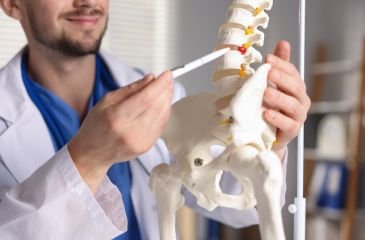
Spine treatments focus on diagnosing and managing conditions such as slipped discs, spinal stenosis, deformities, and chronic back pain. Care may include medication, therapy, injections, or surgical correction when necessary.
Sports injuries affect joints, ligaments, muscles, and tendons. Early diagnosis and structured rehabilitation are important to prevent long-term damage and ensure safe return to activity.
Trauma surgeries involve the treatment of fractures, complex injuries, and accident-related bone damage. The goal is to stabilize the injury, promote proper healing, and restore normal function.